
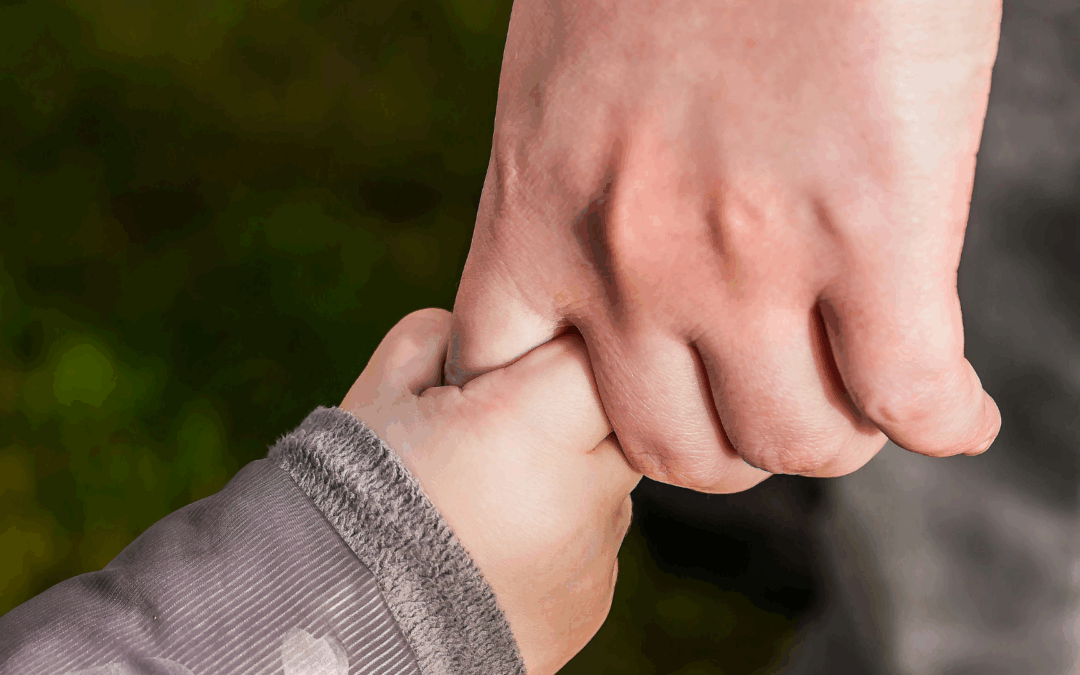
Building Positive Role Models as the School Year Begins
As the new school year approaches, one of the questions I hear most often from parents is: “How can I help my child settle in socially and emotionally?” It’s a concern that feels especially important because we all want our kids to thrive, not just in academics, but also in building friendships, developing empathy, and growing into confident, well-rounded individuals.
Recently, I came across a thought-provoking article titled Dating Men in the Bay Area. It explores the challenges many young men face today, particularly in redefining their roles within modern society. The absence of clear guidance around healthy masculinity has left many struggling to find their place. As a parent of two daughters living in Portugal, I initially thought the article might feel distant from my own experience. Instead, I found it deeply relevant and eye-opening, raising essential questions about how we nurture both boys and girls to grow into emotionally healthy, empathetic adults, especially in a world where social media constantly exposes them to confusing and often negative role models.
One line struck me profoundly: “You cannot heal an injury by stitching half of it… the rest will fester.” It reminded me that healing emotional wounds requires tending to everyone, boys and girls, men and women.
This realization led me to reflect on what I can do as a parent. How do I help my children develop empathy, resilience, and confidence when positive role models aren’t always easy to find? Here are a few practical strategies I’ve found helpful.
Create a Safe and Open Space for Conversations
Before children can express themselves clearly, they need to feel safe sharing what’s on their minds. Instead of asking closed-ended questions like, “Did you have a good day?” try open-ended ones that invite reflection, such as:
- “What was the best part of your day?”
- “What made you feel proud or happy today?”
- “Did anything upset or frustrate you?”
- “Can you tell me about a time today when you felt brave or scared?”
These types of questions help build trust and encourage kids to practice talking about their emotions in everyday life.
Model Healthy Emotional Expression at Home
Children learn by watching us. One simple but powerful way to teach them is to openly model how to express feelings. A useful formula is:
“I feel [emotion] because [what happened].”
For example: “I feel frustrated because I had to wait a long time.” This helps children understand that feelings and events are connected, but not the same thing.
Another helpful tool is the Situation-Behavior-Impact (SBI) model, developed by the Center for Creative Leadership:
- Situation: Describe what happened.
- Behavior: Point out the behavior.
- Impact: Share how it made you feel.
For example: “At recess (situation), my best friend played with someone else instead of me (behavior), and I felt sad and left out (impact).”
Using this framework consistently makes emotional expression clearer and easier to navigate.
Expand Your Child’s Emotional Vocabulary
Children need the words to describe what they’re feeling. Tools like an emotions wheel make learning these words engaging and fun. The broader their emotional vocabulary, the easier it becomes for them to articulate feelings without feeling overwhelmed.
Highlight Positive Male Role Models, for Both Boys and Girls
Whether you’re raising sons, daughters, or both, exposure to positive male role models is essential. The article I read emphasized how many boys today lack strong guidance, leading to confusion and difficulties in relationships. For boys, seeing men who express emotions in healthy ways sets a blueprint for adulthood. For girls, it shapes how they understand masculinity and what to expect in future relationships.
Role models can come from family, teachers, coaches, community leaders, or even from books and films.
For Younger Children (Ages 4–9):
- The Boy, the Mole, the Fox and the Horse by Charlie Mackesy: gentle lessons in kindness and vulnerability.
- Tough Guys (Have Feelings Too) by Keith Negley: breaking down the “toughness” stereotype.
- Sammy and the Summer World by Daniel Miyares: cultural identity and empathy through a child’s eyes.
- The Name Jar by Yangsook Choi: celebrating acceptance and family influence.
For Older Children (Ages 10+):
- The Lion King: responsibility, love, and forgiveness in a father-son story.
- Big Hero 6: resilience and teamwork with a caring mentor.
- Remember the Titans: leadership, unity, and overcoming prejudice.
- Spider-Man: responsibility and empathy through relatable struggles.
- Julian is a Mermaid by Jessica Love: family support and self-expression.
Remember: You Are Your Child’s First Social Circle
Before peers take center stage, parents have a precious window to influence their children’s social and emotional development. By being attentive, empathetic, and present, we give them the foundation they need to form healthy, lasting relationships.
The Bigger Picture
Raising emotionally intelligent children isn’t always easy, but small, consistent steps make a big difference. Together, as parents, families, and communities, we can help the next generation grow into compassionate, resilient adults who bring kindness, strength, and empathy into the world.
Your Turn
What has helped your children settle socially and emotionally? Do you have favorite books, films, or role models that made an impact? I’d love to hear your insights, please share them in the comments or on social media so we can learn from each other.
Join the Healthy Digital Childhood Alliance WhatsApp Community